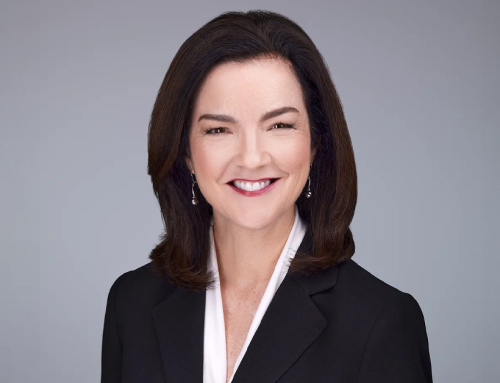
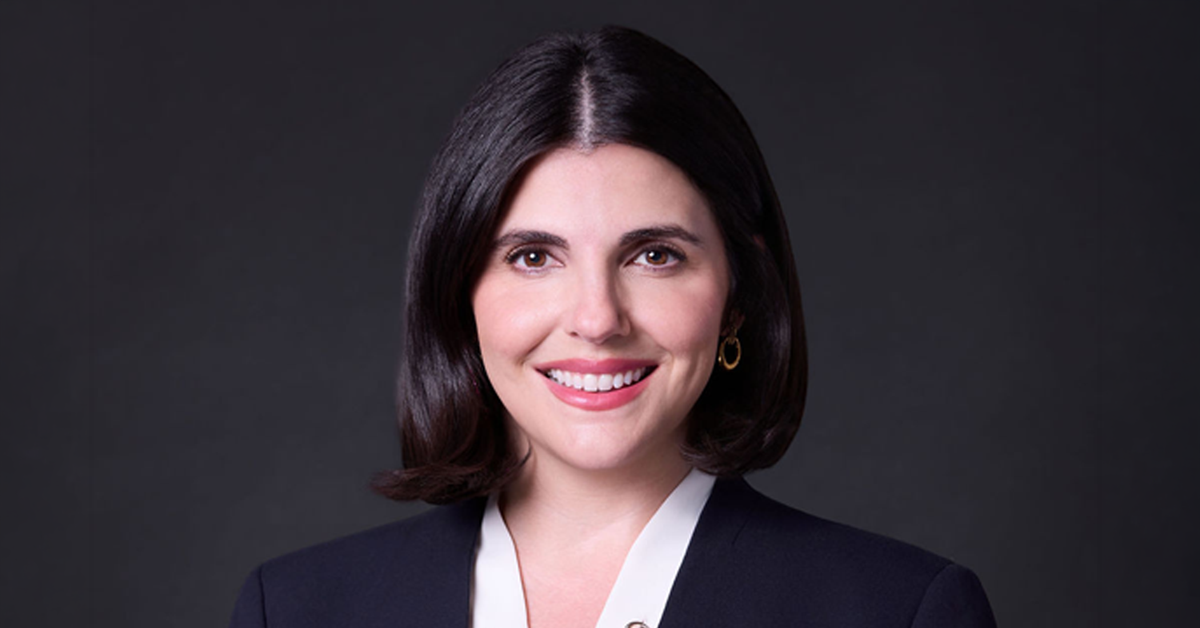
Guest: Lisa Westermark, Partner and Co-Founder at Beverly Hills Private Wealth.
In a nutshell: Managing a leadership transition is a delicate challenge for any wealth management firm. But that transition is even trickier when a founding “face of the firm” is stepping back from the spotlight. Handled poorly, a change at the top can damage and even sever relationships that have taken decades to build.
But with intention, care, and a clear communication strategy, your firm can actually strengthen those existing bonds and position both the company and your clients for long-term, multi-generational success.
On today’s episode, Lisa Westermark explains how she stepped into a more prominent role as her firm thoughtfully designed the transition of founding partner Scott Shagrin. We also discuss why establishing and maintaining true human connections will become exponentially more valuable in wealth management as AI continues to reshape the industry.
.Lisa Westermark and I discuss:
- How Lisa’s background in acting and musical theater translated into high-EQ financial service.
- The timeline and communication strategies Lisa’s firm used to reassign legacy clients and how Lisa ensured clients never felt like they were being “handed off” to the B team.
- Why Beverly Hills Private Wealth positions multiple advisors on every relationship.
- Moving beyond the math to navigate the complicated emotions clients have around their money.
- Delivering “ three Michelin star service with one New York Times star attitude.”
Lisa Westermark on softening client transitions:
“We decided every client is going to have two financial advisors: a primary and a secondary. And in doing it that way, we prevented any one client from feeling like they were being handed off. We never wanted a client to feel like they were being passed down. And then from there, we started saying, anytime there is a review or a significant call — not just a check-in call, but a significant call or meeting — the receiving advisor was going to step into those meetings with Scott and Scott was going to explain, ‘Hey, you know Lisa, of course, but we are really trying to make sure there are multiple hands touching every client. She is going to be working with you as well. You can always reach out to her.’ So it was very soft. I don’t think anybody had any idea what was happening. As that year and a half went on and it did become more and more evident, people would finally say, ‘Hey, so are you my person now?’ And what I found to be very effective is finally saying, ‘Look, you have known me now for fourteen years, but what you don’t know is that I onboarded your accounts when you moved over to us. I know your accounts inside and out. I know your accounts better than anybody because I was the one who set them up, literally from paperwork to getting them invested in the strategy.’ And when people started thinking about it that way, I think that helped a lot.”
Lisa Westermark on concierge services and AI:
“The industry is moving extremely fast, but it doesn’t even know where it’s going. We’re competing with wealth management firms that are offering concierge doctor services, which is incredible and very interesting to me. And also, part of me is like, to what end are you doing healthcare now? The suite of services that you can offer nowadays is incredible and I want to be able to offer all of it. And also having to recognize that that’s maybe not the direction you want your firm to go in, but you also have to be able to compete with firms that offer these things.
“And then of course, AI. Everybody’s afraid of AI — clients, advisors — and I’d be lying if I said that I didn’t have trepidation about, ‘Is AI going to come take my job?’ But what I tell clients, and what I tell myself too, is we can’t be afraid of today because of fear of tomorrow. We just can’t. I couldn’t pass up the opportunity to invest more in my business that I believe in, that I eat, sleep, and breathe, because I’m afraid of a robot tomorrow.
“Money is emotional, and at the end of the day, AI is never going to be able to service that part of us that needs to feel a warm hug when we’re anxious. And that is where I feel like we will always have the upper hand as humans. AI is going to replace functions, absolutely. But the experience and the feeling is something that you can’t get from AI. So I want to make sure that the experience and the feeling that our clients have working with us is exceptional.”
Lisa Westermark on mastering “the small things”:
“When I was an actor, I worked at a Michelin Star restaurant in New York, like all actors do. And their motto, I think about every day. It was: ‘three Michelin Star service with one New York Times star attitude.’ The service is the absolute best. The experience is the absolute best, and the attitude is not stuffy. It’s not conceited, it’s not unapproachable. The attitude is like you walked into the best Greek taverna in the world and you’re eating with the mom and dad who are cooking in the kitchen. That warm, homey attitude, but with the best service you’ve ever received. And that is exactly what I want clients to feel. It is the tiny, small things. The small things that you might not even notice. You might not notice that I walked away from the beverage station to walk you over to the restroom, but the feeling that you’re going to have when you leave the restaurant is like, ‘Wow, that was really warm, exceptional service.’ That is the kind of relationship that I see between the hospitality industry and wealth management, which is that it’s the culmination of the little things. It doesn’t matter if the food is great if the service was horrible. Are you going to go back to that restaurant? Because I’m not. So it doesn’t matter if our portfolios are killing it, because in an up market, anybody looks like a genius. I think that what matters is the service you receive, the people that you speak to. That makes the difference because you could lose a client over poor service. It doesn’t matter if your portfolio is up 22%.”