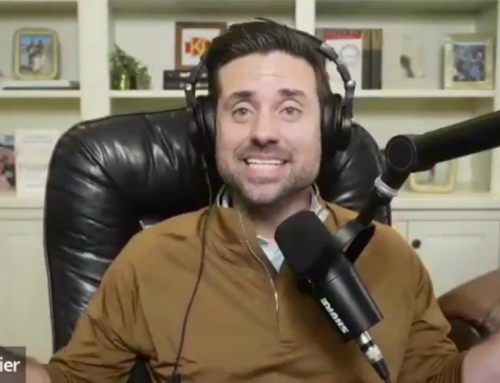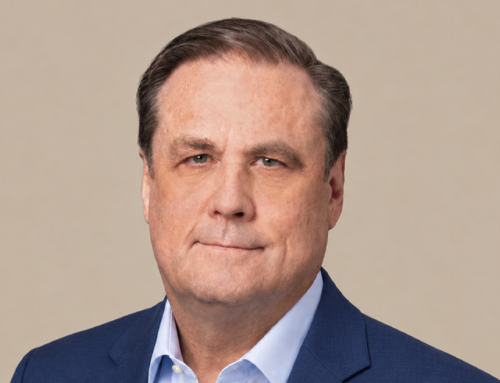

In 1984, Andy Schwartz and his twin brother Scott joined a startup Northwestern Mutual district agency in New Jersey. Four decades later, their firm, OnePoint BFG Wealth Partners, manages approximately $15 billion in assets.
Andy, now CEO and Managing Partner, describes their early days as operating like a “band of pirates” sharing resources and reinvesting heavily in building capacity. His firm’s trajectory accelerated significantly when they left Northwestern Mutual in 2015 to become independent, and in 2024, Andy and Scott took an investment from Joe Duran’s Rise Growth Partners to fuel their next stage of expansion.
What makes Andy’s story compelling isn’t just the size of the firm he built, but his intense focus on the fundamentals: outworking the competition, relentlessly reinvesting in the business, and creating a culture where everyone — from the newest advisor to the receptionist of 30 years — shares in the firm’s success.
On today’s show, Andy Schwartz and I discuss the pivotal moments in his extraordinary career, his philosophy on giving equity to team members, and how he plans to scale a $15 billion firm even as the bottom might be “falling out” for financial services.
3 Insights from Andy Schwartz
1. Activity Drives Outcomes
Andy never thought he was the smartest person in the room. But he knew he could outwork everybody else.
“I made the top 20 at Northwestern Mutual my fourth year. I think, at the time, I was the youngest person to ever do that. It wasn’t that I worked with large clients or wealthy people. I just figured out how many life insurance policies do I have to sell if my average policy is a thousand dollars per year premium. I broke it down.”
He compares business to a basketball game, where the numbers are an important part of the strategy and the effort:
“If I’m in a game and we’re down by 30, probably nobody’s hustling very much because this game is over. We’re just trying to get the heck off the court. But if I’m in a game and I’m down by two or I’m down by four and it’s close, we’re hustling. Now, if I don’t even know what the score is, I’m not sure how I’m playing, and I don’t know how anybody else is playing either. So the reality is we need to know where we are and we need to break these goals down. So I always broke things down monthly, weekly and then daily. What was the activity that I needed? And if I just focused on the fundamentals, everything else takes care of itself.”
This focus on achieving targets isn’t just for new advisors. Even at $15 billion, Andy expects his team to be focused on growth and winning “the game.”
“We’re not interested in zoo-fed bears. If you’re a lifestyle advisor, you want to share our platform, we’re happy to help you make your life easier. But you’re not getting equity if you’re not interested in growing.”
2. Reinvest in Capacity and Share Capabilities.
A recurring theme in Andy’s success is his willingness to spend money to build capacity. The firm consistently hired people before they could technically afford them, prioritizing the ability to deliver exceptional service over short-term profit margins.
“It’s never about expenses. It’s about revenue, and it’s always about capacity. If we’re going into the marketplace with confidence that we can compete at the highest level and really take care of clients the way they deserve to be taken care of, then you have to build capacity.”
When evaluating potential acquisitions or partners, Andy looks closely at an advisor’s P&L to determine if he can plug them into his centralized services to improve their margins and free them up to serve clients. A handful of Andy’s team members can manage billions in assets by leveraging the overall support system.
“We always talk about three things: alignment, capacity, and scale. We have to be completely aligned for this to work. We have to create capacity, and we have to be able to do it in a scalable way so it doesn’t cost a fortune. Any billion-dollar advisor out there working for these large institutions can build a really great business and provide really great service. The question is, at what cost? Are they on a 10% or a 20% profit margin? That’s crazy to me. By centralizing services and sharing as a group, and if we’re all rowing in the same direction, it’s efficient, and everybody’s margins are much better and it’s better for the firm.”
3. Share Success — and Equity.
Andy believes that turnover is “the worst thing for any business.”
He also admits that he can be “a pain in the ass to deal with” as a boss.
But his receptionist has been with the company for 30 years. An assistant has been with him for 40 years. Across the whole company, turnover is exceptionally low.
That’s because Andy rewards excellence and loyalty with high pay and equity. When the firm restructured, Andy gave 10% of his personal equity to his direct team.
“It will be millions and millions and millions of dollars for them, which will be completely life changing. And so to me that is hugely motivating. For them, it will be everything.”
Andy extends this philosophy to the advisors who partner with his firm. He insists that any deal must satisfy three criteria: the advisor must be happy after joining, the firm must be able to help them grow, and the long-term economics must be better for the advisor.
“I don’t want to win. I just don’t want to lose. Meaning. if we make a deal, I don’t want to take your business for less than it’s worth because we’re going to become partners. The reality is, if I’m going to have partners for the rest of our careers, I don’t want anyone to feel that they got beat. At the same time though, I don’t want to get beat. I’ve got to protect my shareholder’s equity. We just want to get a fair deal. I signed the same contract, partners signed the same contract. We all have the same agreements. We all in the same stock. So if you don’t like the operating agreement and you won’t sign it, well, it’s the operating agreement I signed. Because we’re all equal, we just have different, amounts of of shares.“
Andy Schwartz’s Warning for Advisors
The Low End is Vanishing.
Andy is clear-eyed about the appeal of technology and massive retail competitors to average investors who may not think they have enough assets to work with a (human) financial advisor.
“At the lower end of the business, there’s no doubt that it will be impacted. You’re not going out and picking up files under $1 million or $500,000. That’s where there’s going to be Robinhood and all of these AI. Because the do-it-yourselfers don’t need it. It’ll be easier to be a do-it-yourselfer.”
So, if your value proposition relies solely on asset allocation, you are, in Andy’s words, “dead in the water.”
The survival strategy? Move upscale and expand your services to become the single point of contact for busy, wealthy clients, and accept a little short-term pain on the margins.
“If you pay attention to tax and estate planning, and provide all of the different planning and services that people need, I don’t think we have an issue. There will be ‘fee compression’ — not that the fees go down, but that the services you have to offer and add cost more money. Which I would call ‘margin compression.'”
To justify your fee, you must deliver a robust suite of services and be a financial coach who can guide clients through the tangle of emotions and major life transitions that are connected to their money.
The alternative? According to Andy Schwartz, there probably isn’t one.
“You have to add value or you’re going to be in trouble.”