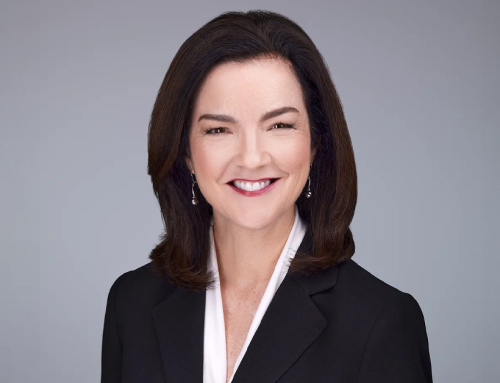

Guest: Jason Early, Founder and CEO of RISR, a wealth tech platform designed to help financial advisors understand, analyze, and plan around a client’s most important asset: their business.
In a nutshell: Business owners are a chronically overlooked and misunderstood niche in wealth management.
Why?
In large part, because too many advisors treat owned businesses as just another number on a balance sheet.
But for many of the wealthiest clients you want to be working with, a business is the central driver of wealth, risk, future liquidity, personal purpose, and legacy. Your ability to tie those things together in a holistic financial plan will be a major value driver as AI takes over more and more of the technical aspects of advising.
On today’s show, Jason Early explains how financial advisors can find and work with business owners, who, in his opinion, are some of the best possible clients advisors can have. And yes, I agree with him!
.Jason Early and I discuss:
- Why business owners need better financial advice and why advisors sometimes miss their full picture.
- How the lines between tax preparation and financial advice are rapidly blurring and what capabilities your firm needs to add.
- Using AI to to turn complex business financial data into insights that support deeper planning conversations.
- Why 77% of business owners regret their exits and how you can “quarterback” a financially and emotionally successful transition.
- The critical vulnerabilities business owners often miss that an advisor can help manage.
- How to identify your ideal niche within the larger subset of business owners.
Jason Early on the advisor’s role before an exit:
“ It’s not ‘if’ the owner exits, it’s ‘when.’ Every business owner exits their business someday, some way. In the fairytale ending, it’s a big liquidity event. They’re selling to a third party or private equity or whatever it might be, and everybody reads about it in the paper, and everybody’s happy. But there’s all sorts of different ways that an owner may exit their business. Death, disability, dispute, bankruptcy. The best owners are always operating with an understanding of that. But what role does an advisor play in the fairytale ending? I’m certain that every financial advisor on the planet has uttered the words, ‘I’m the quarterback of your financial plan.’ Most, however, don’t fulfill that promise. And I think it’s largely an incentive thing. The reality is there’s not a ton of incentive all the time for advisors to pull in the accountant, pull in the attorney, pull everyone around the table to get aligned. But the best do, and this is especially true with a business owner.
“And so when we look at the landscape and we look at the market, all of financial services is starting to surround the business owner because everybody is realizing that these demographics are playing out and there are these baby boomers that are transitioning and transacting. These exits are happening, and the advisor wants to be the one that captures those assets. It really, truly is that quarterback role. But it starts far before that deal team is assembled. For a successful exit to happen, there has to be an advisor grabbing the business owner by the shoulders years before saying, ‘What do you want? What do you want this to look like? How does your business fit into your overall life and financial plan? What’s most important to you? What are you optimizing for?'”
Jason Early on where tech, financial planning, and tax planning intersect:
“For a long, long time there’s been a lot of private equity money rolling up RIAs. You’re starting to watch them bolt on CPAs. And I think to serve the business owner, this is one of the great value props. If I’m an advisory firm and I’m bolting on tax, they have the business owner clients. The accountant starts as the de facto most trusted advisor to the business owner. If I’m starting a business, I need a CPA, I need a tax professional. I have to have them. They are the de facto most trusted advisor, typically, until the financial advisor comes along. When the financial advisor gets in there and builds the relationship over time, they become the most trusted advisor. I think the market is demanding, ‘Why are you two professionals not under the same roof? Why are you not the same advisor to me? Why can’t my financial advisory firm provide tax prep or at least give great tax advice to me?’ That’s why we’re building so aggressively around tax planning, because you’re seeing advisors get pushed towards, ‘I have got to start giving great advice around tax.’ And tax doesn’t just mean tax prep anymore. That is getting commoditized. You’re watching these worlds collide. Technology will allow advisors to expand their service offering, and give better advice as a result.”
Jason Early on finding your niche:
“We don’t think business owners are a niche. We think that they’re everywhere. But the advisors that serve them best really niche down inside of the client segment. So really understand who your ideal client profile is. What is your ideal client as a business owner? Is it auto dealers in the tri-state area? Is it companies in the Midwest? Whatever it is, get crystal clear on who that ideal client profile is. And then, don’t keep it a secret. Build deep. Spend years building deep relationships with the ecosystem around your ideal customer. Who are the accountants that have the customers that you want? Who are the associations where your customers hang out? Who are the attorneys that work with a lot of people in that segment? And build deep relationships. It’s consistency, it’s not intensity, it’s not boom, today we serve business owners and we built a new website and we built a landing page, and we ran a marketing campaign and it didn’t work. It’s showing up for long periods of time, being crystal clear on your messaging, and being intentional about who you want serve and who you do serve.”