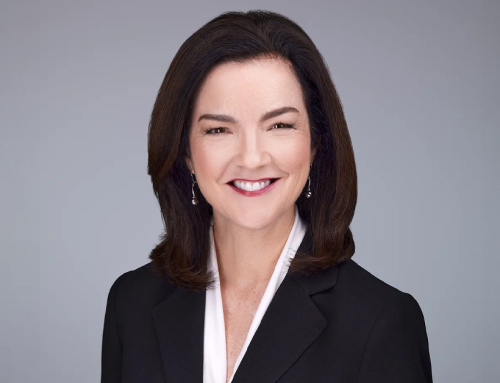
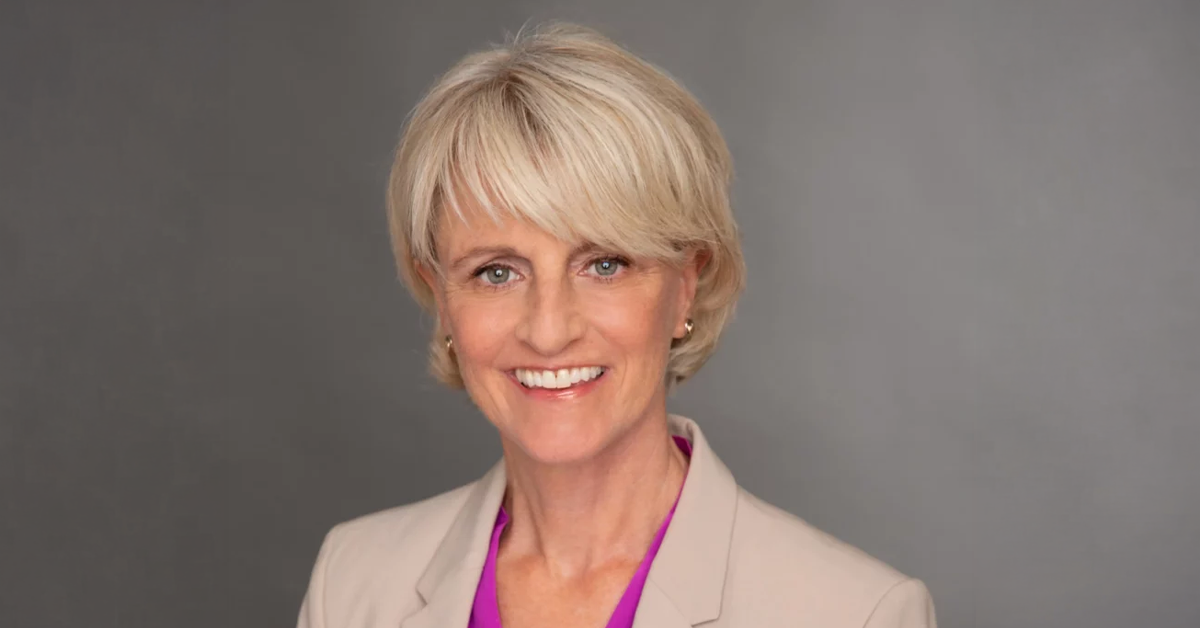
Guest: Carolyn McClanahan, physician and financial planner at Life Planning Partners.
In a nutshell: Health is one of the most important components of comprehensive financial advice. But many advisors focus almost exclusively on healthcare costs at the expense of helping clients actively plan for wellness, longevity, healthspan, changes to family dynamics, and end-of-life care.
As personal and uncomfortable as these topics can be, conversations about health are becoming increasingly urgent for financial planning. Folks are living longer, which is leading to higher instances of mental, physical, and emotional decline in older seniors. At the same time, many “sandwiched” baby boomers are caring for older relatives while also managing their own retirement transitions. AI can help improve care and early detection, but it can’t approach health with genuine human empathy and the courage to confront difficult financial realities before, during, and after a crisis occurs.
On today’s show, Carolyn McClanahan discusses the advisor’s evolving role at the intersection of money and health. As a doctor who pivoted to finance, Carolyn has a unique perspective on the challenges facing both the U.S. healthcare system and advisors who want to be the “one call” for clients whether they’re thinking about a Roth conversion or facing an unexpected diagnosis.
.Carolyn McClanahan and I discuss:
- Why plugging a generic healthcare inflation rate into a retirement projection is a mistake and how to build a personalized cashflow model based on a client’s specific healthcare mindset.
- The difference between lifespan and healthspan and how each should factor into a financial plan.
- Why Carolyn believes the U.S. has a “sick care” problem.
- The three most prominent financial worries clients face immediately following a serious medical diagnosis.
- Holding an “aging planning meeting” in a client’s 50s or 60s to lay the groundwork for managing cognitive decline and loss of independence gracefully later in life.
- Why social connections and good hearing are two of the most critical factors in aging well and reducing the risk of dementia.
Carolyn McClanahan on the U.S. healthcare system and common sense reform:
“The problem is the United States is very schizophrenic. 50% of the population is collectivist. That means that group feels that people should have a safety net, and that everybody should at least have basic healthcare. And then you have 50% of the population who are individualist, who feel like everybody should be out for their own and look out for themselves. And there’s no other developed country that’s this divided out there on this issue. Every industrialized nation has universal healthcare of some sort. We pay the most of any country in the world for our healthcare, and we have horrible outcomes.
“ And so the ideal common sense reform, and the big difference between our country and other countries, is we do not value primary care. Other countries have very strong primary care and preventive care systems that do a good job taking care of basic hypertension, diabetes, so that people have less heart disease, they live longer. We don’t have a ‘healthcare’ system, we have a ‘sick care’ system. We don’t value preventive care. We don’t value keeping people healthy. We end up spending a ton of money on people on the back end after they’re sick. If you think about it, primary care is not insurable. Insurance is meant to cover large losses, rare losses. Primary care is neither large nor rare, and because we cover it by an insurance system, we end up spending about 25 to 30% more than it needs to cost because we’re having that middleman of the insurance company deliver it.”
Carolyn McClanahan on the first step to calculating healthcare costs in retirement projections:
“One of the things that I do not like is both Fidelity and the Employee Benefit Research Institute put out a number every year about how much you need to have saved at age 65 for your healthcare costs. Nobody sets aside a lump sum of money for the healthcare costs. I think the better way to do it is you first have to determine what is that client’s healthcare mindset. You have some people who go to the doctor all the time no matter what. They go to chiropractors, get their massage therapy, psychotherapy, spend a lot of money on healthcare. And then you have people who are the whole opposite end that never go, and they only want to go if they absolutely know they have to and it’s going to be of good use to them. And so the best way to determine what type of client you have is first ask, what are your attitudes about healthcare? And they’ll tell you, ‘I want to be able to go to any doctor I want to go to. If I get diagnosed with something serious, I want to be able to go to out-of- network doctors and not have to worry about it.'”
Carolyn McClanahan on the limits of AI:
“The one thing AI doesn’t have is real empathy. It has fake empathy. And when a person’s conversing with AI or using AI, they know that the things that AI’s saying aren’t really real. And when you’re a human, you’re not perfect and you’re not always going to say the right thing, but if you’re showing that you care, that’s the most important part. So when a client calls and they have something serious, one of my first things is, ‘Wow, that this is really big and huge for you. My heart hurts for you.’ Because that’s what I really feel. You have to have that empathy for the client. And AI is not going to say, ‘What can I do to help?’ You’re going to listen to their concerns and what they’re worried about, and help them digest that. And help them put the pieces in place so they can move forward with whatever treatment they need to do, whether it’s that serious and they need to move to hospice. Do they have their funeral plans? Have they thought about their personal effects letter? When people have thought through things, when poop hits the fan, they’re going to make better decisions, and it just takes the pressure off and allows them to have a better end of life, because they don’t have to go through decisions that were already made.”