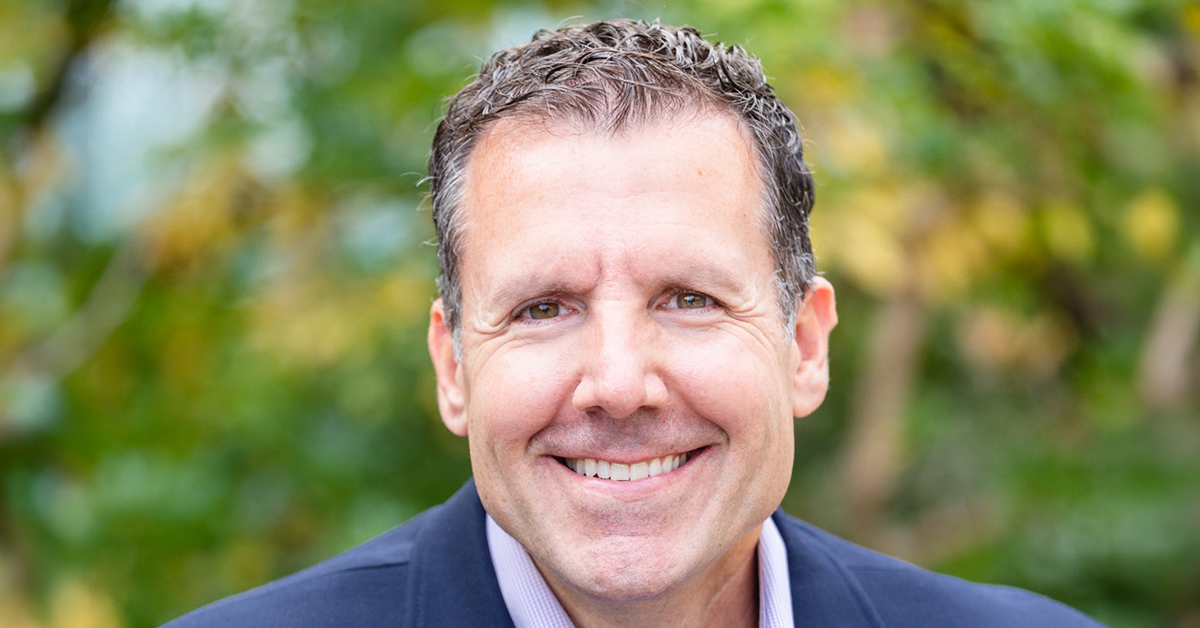
Guest: Stan Gregor, CEO of Summit Financial. Stan has over three decades of executive leadership experience across banking, private wealth management, investment management, fiduciary trust services, insurance, and capital markets. Over the course of his career, Stan has led and integrated some of the most complex financial organizations in the industry, including senior leadership roles at Citigroup, Bank of America, Wachovia, Wells Fargo, and Cantor Fitzgerald Wealth Partners.
In a nutshell: For many advisory firms, hitting $5 million to $15 million in revenue is a double-edged sword. You have achieved significant success, but you might also be stuck in the “messy middle”: too big to be a lifestyle practice, and too small to compete with enterprises. Breaking through this plateau requires a fundamental shift in mindset from a founder-led model — where you do everything — to an enterprise model where you focus on funding the talent and infrastructure needed for sustainable growth.
On today’s show, Stan Gregor breaks down the specific structural and leadership changes required to scale through the “messy middle,” the non-negotiables of a successful partnership, and how advisors can build their firms to be durable and, ultimately, transferable.
.Stan Gregor and I discuss:
- Closing the loop in “C-Factor” business planning with “O-Factor” planning.
- Leveraging culture as a tool for growth.
- Why scaling an enterprise is a “multiplayer sport” that requires founders to admit they can’t do it all.
- Avoiding “Tick Partnerships” that drain the blood out of your relationship and your business.
- Asking “And then what?” to dig deeper into your strategic plans and game out unintended consequences.
- How the need for scale in services and technology will continue to drive consolidation and how smaller firms need to prepare.
Stan Gregor on mastering “The O Factor”:
“When you’re designing your business plan, you have to have what I call the ‘C Factor’ focus, critically going deep into what that business plan looks like. The difference between good and great is most business plans are structured on the C Focus, but the plans that really work out are the complete circle, the difference between that letter C and the letter O. That little extra piece of writing makes the biggest difference. If you’re focused on that C Factor, which is making sure you have the business plan laid out, go deeper. Do the ‘What if, what if this, what if that?’ And, ‘How do I go from A to B to C?’ That’s the critical piece. Once that’s in place, then you have to be realistic. I have never seen a budget go under budget. Whatever you think something will cost, believe me, it’s like building a home: it’s always 30%, 40% more expensive than you initially thought. So plan for that.
“And where I see a lot of these plans go awry is most successful businesses are accustomed to a certain income or cash flow. To go to a growth stage, an enterprise stage, you have to be comfortable going backwards for a while on the income side because you have to reinvest. You have to be of the realistic mindset of, ‘I can’t do it all. I have to bring in experts that are smarter than me or more experienced than me to do the other things in this company to get the growth.’ Those people cost money. So most likely your income will go down and there needs to be a comfort level with you’re going to go backwards before you go forwards. And once you get the people in place, and once you get the business model that is crystal clear, beyond that C Factor, it goes into the O Factor. You have to build a model that’s that’s scalable, that you can repeat over and over. Everything cannot be an exception. So you have to build a model that is repetitive. And last but not least, you have to build a model that is bulletproof from a risk perspective. Some of the best plans and best strategies blow up if you don’t have the risk parameters in place. And again, risk takes strategy, but it also takes capital and money to build out. So all those things together is how I would look at going from a successful practice to a true enterprise business.”
Stan Gregor on “The Sunday Factor”:
“Who I partner with truly matters. And my philosophy is, if I would not invite you to my house on a Sunday to spend time with my family and me and whoever the partners are, I don’t want to partner with that person. There is something missing if you can’t connect at that level. To me it’s a big factor. Every one of our partners in our firm I have personally met with. Within a Summit organization, there’s not one partner that I would not invite to my home on a Sunday. And that’s a non-negotiable. So it’s a phrase I keep saying, ‘Who you partner with matters.’ It’s critical. Whether it’s marriage, friendship, business, you name it, who you partner with truly matters.”
Stan Gregor on the inevitability of consolidation:
“I’ll make a prediction: you are going to see massive consolidation in this space, and not because of fear. I think the way you get to deliver those quality services is you need to have scale. You need to have real scale of services and professionals, and that is expensive for a small firm. A $5 million to $15 million firm is a great practice, it’s a great business. But if one of my partners at Summit were to call on those clients, I am pretty confident they would win that client over because of the level of services that Summit can provide. I do foresee significant consolidation, and if those teams are really thinking about longevity and being smart about converting from a practice to a true enterprise, they should start thinking about that. Who do I partner up with to really be able to make this business bulletproof for a long, long time? The firms that do make those pivots, I think they’re going to be rock solid. They will go on with that first generation continuing to grow, but equally as important, the next generation that they can transition that business to their generation, to their team. And that team now is going to be equipped with the people, the resources, the technology, the capital, to withstand the next 20, 30, 40 years of growth.”