
–
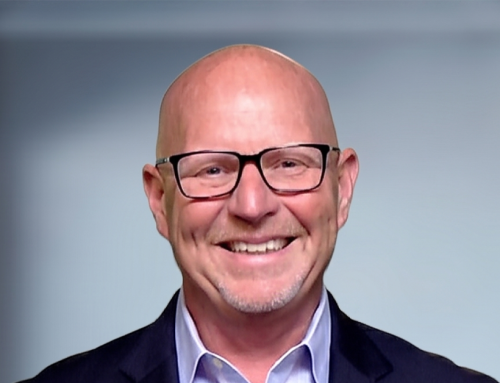
Guest: Brendan Frazier, former Chief Behavioral Officer at RFG Advisory and host of The Human Side of Money podcast.
In a nutshell: AI isn’t just changing money management — it’s challenging the very structure of the advisor-client relationship.
The client review meeting has always served as our central point of contact. But what happens to the review meeting when AI agents can continuously monitor a client’s financial life, present a real-time dashboard, and proactively answer complex budget questions, on demand, at 9:30 PM?
And how are advisors supposed to catch up to what AI “knows” if they’re only seeing clients once or twice every year?
On today’s show, Brendan Frazier argues that the proliferation of AI-powered data actually amplifies the need for a human decision-making partner who can validate choices, provide emotional support, and encourage behavioral changes that will help folks build wealth.
.Brendan Frazier and I discuss:
- Will the traditional client review meeting cycle become obsolete?
- How ChatGPT’s new financial tools could shift consumer expectations for advice.
- The difference between receiving information from an AI and gaining the emotional confidence to execute a decision.
- “AI therapists” and how a lack of human judgment helps people to overcome their insecurities and be more open about their lives and money.
- Helping clients close the “knowing-doing gap,” change their behavior, and implement difficult financial strategies.
- Refocusing review meetings and advice on “What’s possible?”
Brendan Frazier on the end of the traditional review meeting:
“Typically what happens is the advisor goes, ‘Hey, I have a lot of information and data that I’m going to gather, and then when we get together, I’ll share it to you in person and make it relevant to your situation.’ But if maybe you meet once a year, maybe you meet every six months, oftentimes what you’re doing is you’re just putting together a lot of data and information and thoughts and ideas that are essentially just the accumulation of the last six months or the last year. What’s changed in the last year. Here’s what’s going on in the markets. Here’s any legislative changes. Usually what happens in that meeting could have happened at any point throughout the year, and perhaps should have happened at a different point throughout the year. But we didn’t have this regularly scheduled, arbitrarily timed meeting where I was supposed to do this for you, and so it just gets packaged into the client review meeting itself.
“Do I think that we’re at the point now where people go, ‘Hey, I have all this information already. There’s no reason to do it again’? No. Could be wrong. But I think that’s where we’re heading, probably faster than we realize. If I’m building my practice and my processes and the way that I serve clients, and I’ve got to bet on us eventually getting there or not getting there, I’m 100% betting on the fact that we need to be thinking about, once things get to that direction, how does that change the rest of our service model?”
Brendan Frazier on shifting from information provider to thinking partner:
“Information insights are good. But as a client, I still may have decisions that need to be made. I may need the confidence to know that what I’m doing is right. So even if I get the information there, I may need the validation or the confirmation and the confidence to know that I’m thinking about this the right way. And so that review meeting, a lot of it might just be this validation from a decision-making standpoint as far as, ‘Okay, I’ve seen the information. I’ve asked ChatGPT. I’ve looked at the numbers. Here’s what I’m thinking. Can you help guide me through or talk me through the pros and cons or understand what I may be missing?’ And they’re coming in armed with more info — not info that they’re getting in that meeting, but they’ve gotten it prior — and they’re coming in essentially to have a conversation with somebody who understands not just what they see on a screen, but understands that person’s life so that they can make a more confident decision as a result. So you essentially become almost like a thinking partner or a guide or a collaborator to digest and process the information rather than present the information.”
Brendan Frazier on the opportunities in the knowing-doing gap:
“If I’m an advisor and I had to stake my value on something that I think will hang around the longest, it’s the fact that no matter what, no matter how good technology gets, people are really, really good at learning and knowledge and knowing what we’re supposed to do. And we’re really, really, really not great at actually doing it. There’s this gap that exists between idea and learning and implementation and execution that can’t be filled by another chat with ChatGPT, can’t be filled by more information from Claude.
“The biggest hurdle to accomplishing what you want to do will always be your ability to change behavior and do the things that you need to do the most when you want to do them the least, and avoid the things that you want to the most that will harm you the most.
“Do I think AI and technology can make strides in helping people do that? Yes, for sure. But at the end of the day, it’s really, really great at packaging and delivering information. But to get past that delineation of knowledge to execution, that’s a big gap. A big jump to make. How is AI going to get me to go work out when I don’t want to work out? It can give me the plan of what to do, it can show me the gym that’s the closest to give me the highest likelihood of going. There’s not a pill that says, ‘If you take this pill, your will and estate and trust planning work will be done tomorrow.’ Those are action items that require a behavior change and implementation. At this point, that’s the gap still.”
Resources Related to This Episode
- Brendan Frazier on LinkedIn
- How “Tiny Experiments” Can Lead to Better Goals and Happier Living with Anne-Laure Le Cunff