
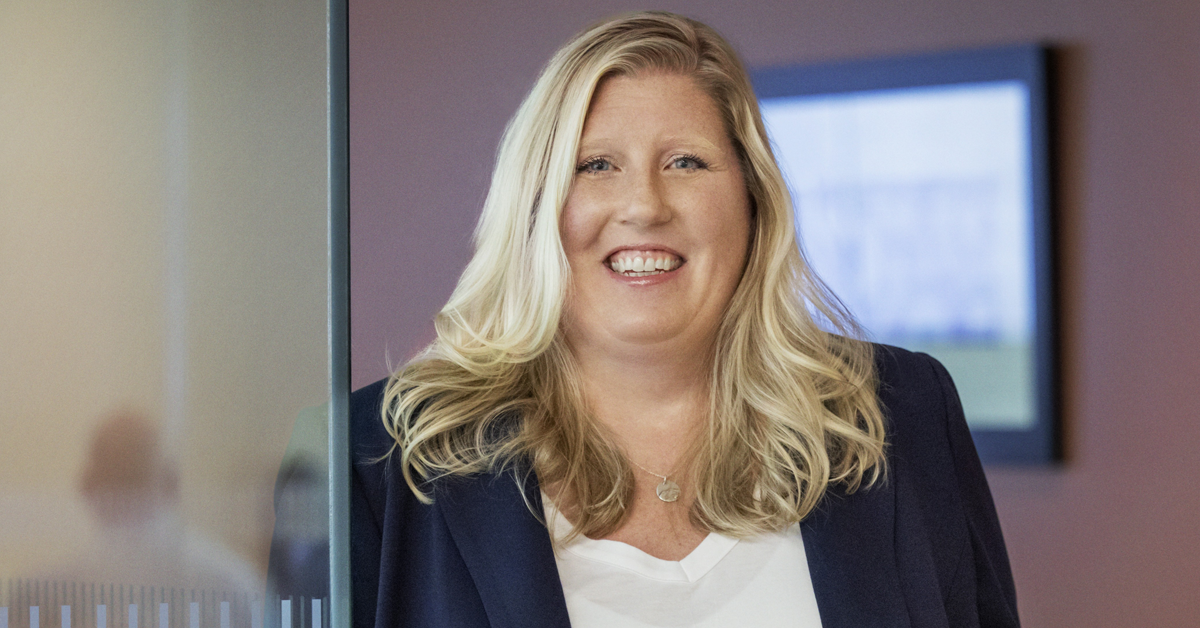
Guest: Alison Dooher Managing Director of Digital Advisor Solutions at Charles Schwab.
In a nutshell: ”What is this for?”
That’s the question smart advisors have been asking with every fintech evolution, from the early days of trading automation through robo advisors to today’s AI-powered platforms.
For your clients, the answer should be: Better service.
For your firm: The ability to scale with confidence
On today’s show, Alison Dooher discusses the evolution of advisor technology and how to think strategically about building a modern integrated tech stack.
.Alison Dooher and I discuss:
- Why data is the base layer of technology and scalability.
- Where firms get stuck in their technology journey.
- Mitigating the risks of tech debt and data fragmentation.
- Using AI and automation to reimagine fee-based services and the best uses of an advisor’s time.
- Balancing the value of AI with the value of gaining practical experience when training new advisors.
- Managing the pace of change for both advisors and clients.
- Lessons on leadership from Alison’s experience guiding Schwab through its massive TD Ameritrade integration.
Alison Dooher on embracing technology rather than resisting it:
“For the RIA industry, I think that original fear was thinking that internet technology or a robo advisor would replace certain aspects of an RIA’s business, if not compete for their client base. We never believed that would play out. We viewed that the technology would enable scale in an RIA’s practice, which I actually believe is what played out, just not in the way that folks really thought. So while your traditional, out-of-the-box robo advisors serve a place in certain parts of the retail client base, for advisors what really has paid off are the investments in technology to speed up things like onboarding, and then investments on the wealth tech side to be able to create portfolios at scale. Marrying those two together has been a trend that I believe will increase in emphasis. And tying those two together, they’re just not packaged as a robo. They are two distinct parts of, and potentially different parts of, your tech stack, but they’re there to create the same holistic experience.”
Alison Dooher on breaking through bottlenecks:
“One bottleneck is, I actually think firms would do more digitally if it was available. So to some degree that’s on us as the providers in the space to act, to at least make sure that option is available. The second bottleneck is what we’re doing to help solve for the integration game. The promise of integration has been out there for years.
“The firms that I’ve found that are successful in this space, first, I think they’re really clear about where their value is with their client relationships. And those transactional items, the culture is just built around the fact that that’s not their value. So for their entire staff, your value’s not filling out a form. Your value is creating a real bond with the client. For the integration piece, advisors who have solved that the best understand that, at the base layer, it is all data. And from the get-go they’ve embraced the need to have data. I think where AI comes into play really nicely for advisors that are just starting down that path of organizing their own data is it just solves for some of the resource challenges and effort it took to really structure data effectively so that it could actually be useful. And now AI operates much more efficiently, or can solve for some efficiencies, when looking at unstructured data. I think in the integration game, advisors who really understand that it’s data at the core tend to solve that faster.”
Alison Dooher on advisors and AI:
“ I do think the hype around AI is real. I always point back to, twelve months ago, this was new for advisors. It went from new to norm in an unbelievable fashion. The way that we’ve been thinking about AI at Schwab and how we can serve advisors better, first and foremost, we’re really investing in how we can harness knowledge better and deliver it back when questions are asked. Be able to say something very relevant and nuanced to the specific situation and provide information faster at the fingertips. But I think that’s really scratching the surface. Advisors now are integrating tools into their practice very regularly. There’s not many advisors I know today who aren’t using AI in some fashion in order to enable and support their client engagements. Take the notetakers as an example — they are exceptional tools for saving a tremendous amount of time in either preparing for a meeting or recapping a meeting, figuring out what the next steps are, and then acting on those next steps. We also believe at Schwab that AI is there to augment advisors, not replace advisors. And so that human in the loop aspect and some level of governance around how it’s being used will be incredibly important in terms of how successful it becomes versus potentially damaging or risky.”